Topic
Eastern Europe
-
Kikimora
The kikimora is a female house spirit from Slavic tradition. She spins at night, breaks dishes, and sits on the chests of people while…
-
Strigoi
The strigoi is the vampire figure of Romanian folk tradition. It exists both as a living person with dangerous powers and as a dead…
-
Lady Midday (Noon Witch)
Lady Midday is a field spirit of Sorbian and Slavic tradition. She appears in the glaring heat of noon, often carrying a sickle, and…
-
Striga
The striga (Polish strzyga) comes from Polish folk belief: a person born with two souls, one of which lives on after death and haunts…
-
Nachzehrer
A dead man who chews on his shroud or his own body in the grave and drags his relatives after him: the nachzehrer is…
-
Leszy
The leszy is the lord of the forest in Slavic tradition. He is neither good nor evil, leads travelers astray, and demands respect for…
-
Baba Yaga
Baba Yaga is the old woman of the forest in Russian and East Slavic fairy tales. She lives in a hut on chicken legs,…
-
Domovoi
The domovoi is the house spirit of the East Slavs. He lives behind the stove, protects family and livestock, and expects respect and small…
-
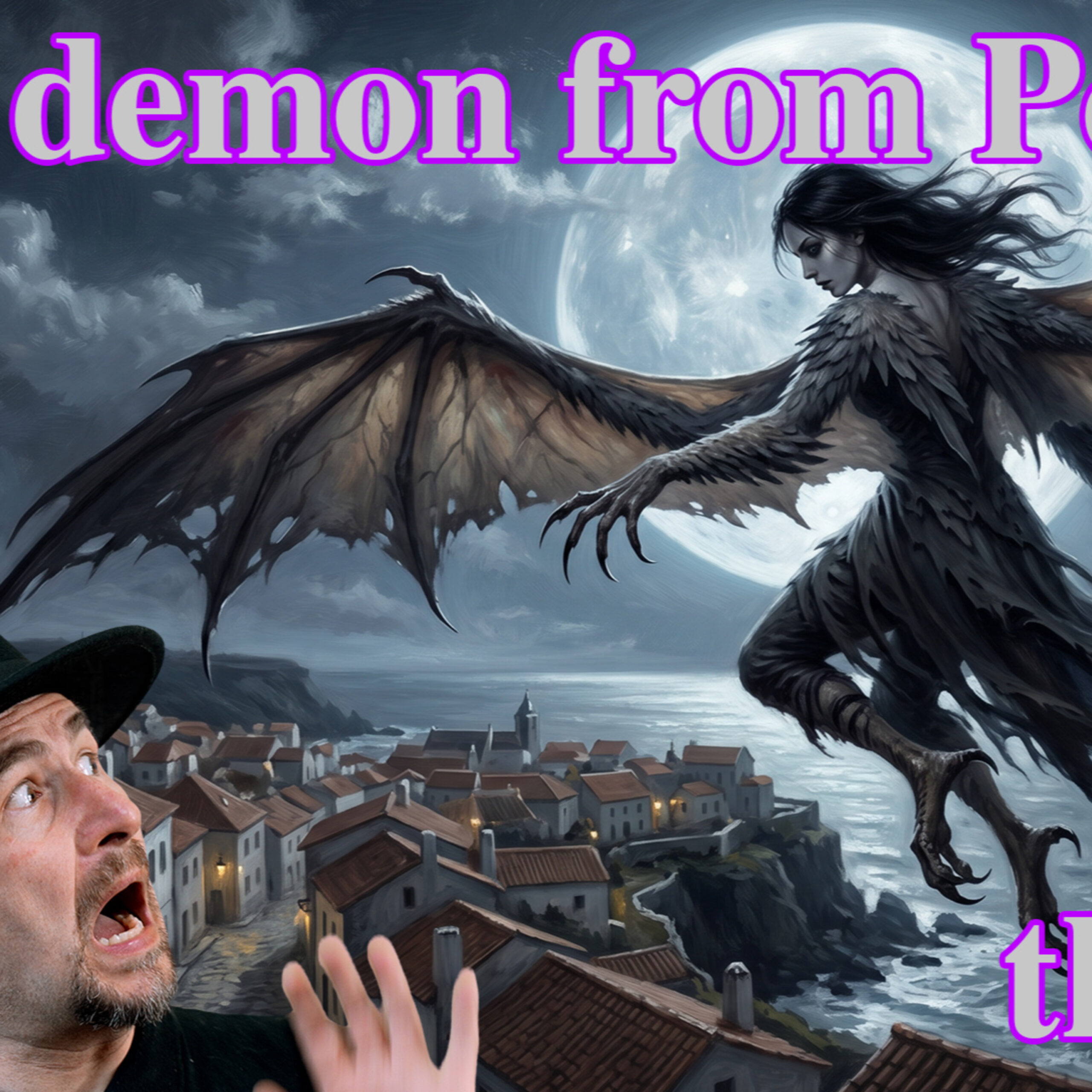
The Bruxa – The Monster With a Thousand Names (The Witcher: 4 monsters and their origin, part 4/4)
The grand finale of our four-part series on the real myths behind the monsters of “The Witcher” takes us away from the Slavic forests…
-
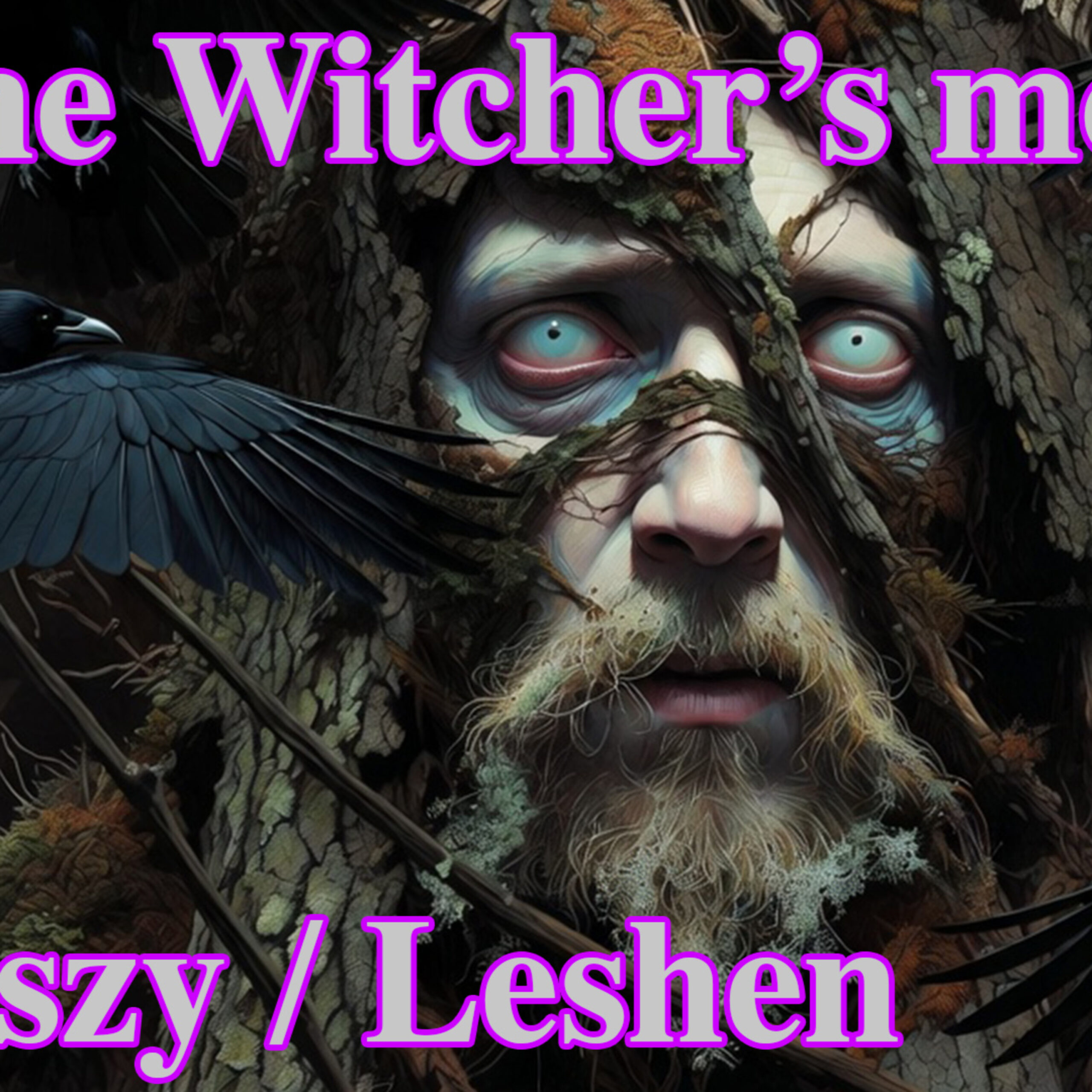
Guardian, Devil, Monster: The Leszy’s Lost Face (The Witcher: 4 monsters and their origin, part 2/4)
He’s one of the most iconic creatures in “The Witcher 3”: the Leshen, a towering forest terror with a deer skull and antlers. But…